



Understanding Recurring in The Payment Service Industry

By iFortepay
Jun 24, 2026
Information
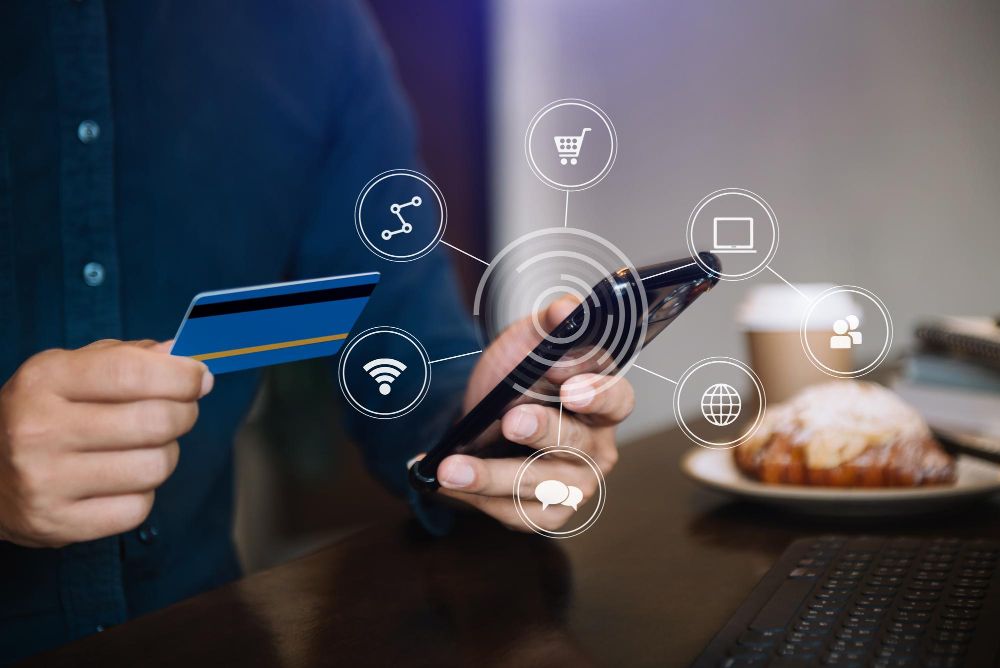
Payment industries conduct various types of services including recurring. This innovation is part of developments to meet customer payment needs and preferences. With elevated technology penetration and cashless payment options, recurring has increased practicality and boosted payment efficiency.
But, what is a recurring payment? Is it suitable for your business needs? Embark your journey to the new era of payment through a comprehensive explanation of this payment in the article below. Scroll it down, now.
About Recurring
If you search on Cambridge Dictionary, the word “recurring” means happening many times or happening again. While in the payment industry, recurring service allows your business system to make recurring payments to customers or business partners by a mutual agreement.
These payments are made periodically within a certain period, for instance weekly, biweekly, monthly, or even on an annual basis. The innovation is mostly suitable for businesses with subscription business models.
Payment for insurance invoices, gym memberships, online streaming services, online education platforms, SaaS, and monthly wifi bills are some of the common examples of businesses that use this payment service. Subscription businesses have grown significantly over the past few years along with the increasing of internet usage around the world.
To fulfill transaction needs in the industry, business owners need to provide a suitable payment flow to cut down complicated steps and maintain transaction efficiency for their customers, especially in the current digital payment trends.
How Recurring Works?
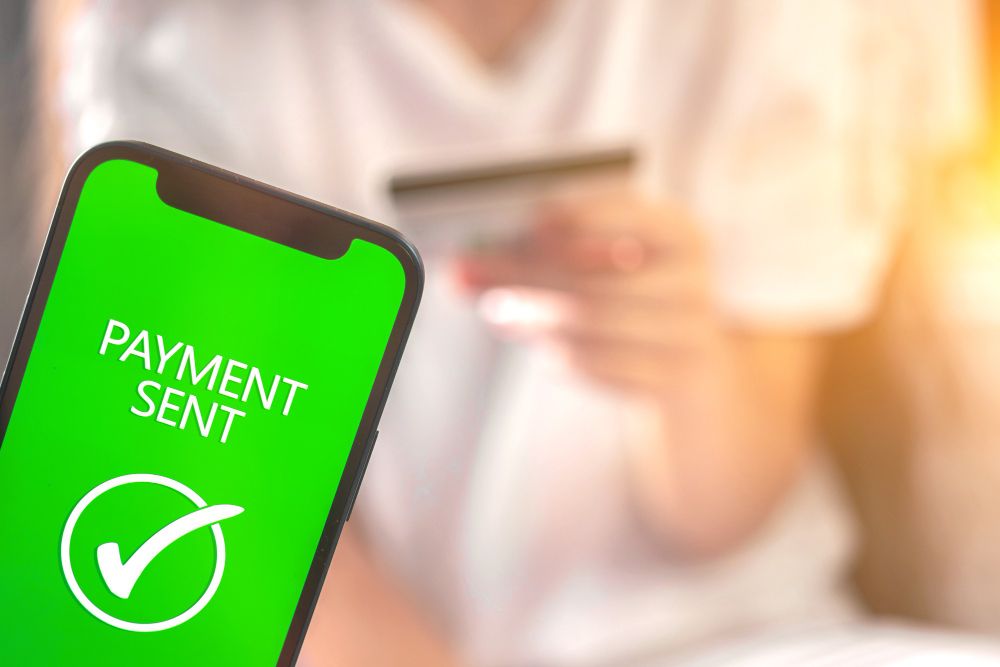
In general, recurring payments (RP) work by entering the customer's payment card number into the system used to subscribe to your business service. After the card details are verified by the system, the customers need to pay their first payment bill and the following payment transactions will be automatically made based on the agreed payment period. For instance, every end of the month.
This payment flow allows customers to just input card details at the beginning of payment, without carrying out payment every time the invoices are due based on the payment period. Let's say, a customer subscribes to a certain service for 7 months with a monthly payment, they don’t have to pay manually every month. It will be paid automatically using their payment card.
Therefore, a mutual agreement is required between the business and the customer in this transaction. In general, every subscription invoice has a deadline date to be paid. All successful or failed transactions will also be recorded automatically in the system.
Because it uses customer payment card number data, business owners need to ensure they have valid authorization to be able to process payments. Therefore, a trusted payment service is needed to be able to run an RP system.
Types of Recurring Payments
Based on how the invoice is calculated, these periodic payments are divided into fixed payments and variable payments. Here are explanations of each type of payment:
1. Fixed
This type of periodic payment is made with the same nominal invoice on each payment period. So that the amount entered in the initial invoice details will be the same as the invoice for subsequent periods. For example, monthly streaming subscription invoices or annual membership invoices.
2. Variables
Different from the fixed, this type of periodic payment uses a nominal bill that is adjusted to the customer’s usage of the service in a certain period. So this month's bill could be smaller or bigger than the invoice for the following months.
List of Benefits
There are a wide range of benefits of implementing an RP service for both customers and business owners. The following points might be part of your consideration if you conduct specific research on whether or not to use this payment service.
1. Customer Retention
A subscription and membership business model offers deeper customer purchasing behavior to stay using your product for a longer period. Providing recurring payments for customers is a strategic move to keep a seamless transaction process to maintain customer retention.
A more practical and easier transaction experience can improve your customers' purchasing experience. Customers who have a pleasant purchasing experience will certainly influence the level of satisfaction and loyalty to your business.
2. Time Efficiency
Time is money, and your customers might apply the philosophy as part of their daily lives. An RP service allows business owners to not create the same invoices or bills repeatedly for customers because the bills will be created automatically.
The same thing also occurs on the customer side, they will no longer need to enter invoice details and make invoice payments manually over and over again. Payment will be withdrawn automatically from the payment card that was entered at the beginning.
3. Automated Transaction Report
This payment service system supports the automatic recording of transaction data and creates a comprehensive report or dashboard of all of the transactions. This system can minimize data errors due to scattered documents or human errors. All transactions can be monitored more effectively from one integrated dashboard.
Leading Recurring Service in Indonesia
Processing customers’ card details to carry out transactions is an authorized service that must be managed meticulously and monitored by legal regulators. iFortepay is an authorized end-to-end payment service licensed by Bank Indonesia to provide payment gateway service and recurring payment.
iFortepay has partnered with various financial institutions to ensure a reliable payment service for your business. We are committed to providing a secure payment platform based on your business needs. Our email is always open at sales@ifortepay.id or simply click here. The professional team will gladly assist with your needs.